
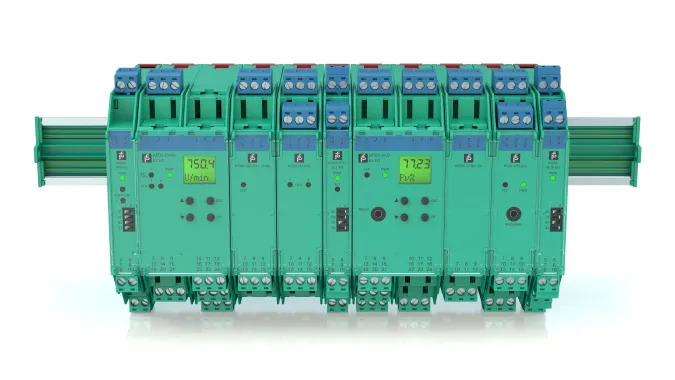
Industrial facilities operating in hazardous environments require advanced protection systems to prevent ignition risks and ensure safe operation. In industries such as oil & gas, petrochemical processing, chemical manufacturing, offshore platforms, and industrial automation, electrical systems often operate in environments where flammable gases, vapors, or combustible dust are present.
In such conditions, controlling electrical energy is critical. Even a small spark or thermal discharge can lead to catastrophic consequences. This is where safety barriers for hazardous areas play a vital role. These systems are designed to limit electrical energy to safe levels, ensuring that ignition cannot occur even in fault conditions.
Modern industrial operations rely on professional hazardous area compliance services combined with intrinsic safety systems and AI inspection software for hazardous areas to ensure long-term safety, compliance, and operational efficiency.
EX Industries provides comprehensive solutions for safety barriers for hazardous areas, including design support, system integration, compliance services, and access to certified explosion proof electrical equipment.
What Are Safety Barriers for Hazardous Areas
Safety barriers for hazardous areas are devices used to control and limit electrical energy entering hazardous zones. These barriers ensure that voltage and current levels remain below ignition thresholds, even in the event of faults.
Safety barriers are a critical part of intrinsic safety systems, which are widely used in hazardous environments where traditional explosion protection methods may not be suitable.
These systems are typically used in:
- Instrumentation circuits
- Control systems
- Monitoring equipment
- Automation systems
By limiting energy at the source, safety barriers eliminate the risk of sparks or excessive heat that could ignite hazardous substances.
Explore intrinsic safety solutions:
https://exindustries.com/products/intrinsic-safety
Importance of Intrinsic Safety in Hazardous Environments
Intrinsic safety is one of the most reliable methods of explosion protection.
Unlike other methods that contain or isolate explosions, intrinsic safety prevents ignition altogether by ensuring that electrical energy levels remain below critical thresholds.
Benefits of intrinsic safety include:
- Elimination of ignition sources
- Reduced risk of explosion
- Simplified system design
- Lower maintenance requirements
- Improved operational safety
By using safety barriers for hazardous areas, industrial facilities can achieve a higher level of protection and compliance.
Types of Safety Barriers
Different types of safety barriers are used depending on application requirements.
Zener Barriers
Zener barriers are simple devices that limit voltage using Zener diodes.
They are cost-effective and commonly used in basic intrinsic safety applications.
Galvanic Isolation Barriers
These barriers provide electrical isolation between hazardous and safe areas.
They offer higher reliability and improved performance compared to Zener barriers.
Signal Isolators
Signal isolators are used in instrumentation systems to maintain signal integrity while providing protection.
Safety Barrier Installation Services
Proper installation is essential for ensuring that safety barriers function correctly.
Hazardous area compliance services include:
- Selection of appropriate safety barriers
- Installation and wiring
- Grounding and bonding
- System integration
Improper installation can compromise system safety and lead to compliance issues.
Integration with Explosion Proof Electrical Equipment
Safety barriers must be integrated with other hazardous area electrical equipment to ensure complete system protection.
These include:
Explosion proof enclosures
https://exindustries.com/products/explosionproof-and-flameproof-enclosures
Hazardous location cable glands
https://exindustries.com/products/hazardous-location-cable-glands
Purge and pressurization systems
https://exindustries.com/products/purge-systems
Explosion proof lighting
https://exindustries.com/products/ex-proof-lighting
Hazardous area cables
https://exindustries.com/products/cables
Proper integration ensures that all components work together to prevent ignition risks.
ATEX and IECEx Compliance for Safety Barriers
Compliance with international standards is essential for hazardous area installations.
ATEX IECEx compliance services ensure that safety barriers meet required certifications and operate safely.
These services include:
- Certification verification
- Inspection of installations
- Documentation and reporting
- Compliance audits
Technical guidance:
https://exindustries.com/technical-info
AI Driven Hazardous Area Compliance
Modern industrial facilities are adopting AI driven hazardous area compliance solutions to improve safety and efficiency.
Using AI inspection software for hazardous areas, organizations can:
- Monitor system performance
- Detect potential faults
- Automate inspections
- Generate digital reports
These tools support digital hazardous area inspection and improve compliance processes.
Hazardous Area Asset Integrity Management
Maintaining system integrity is critical for long-term safety.
Hazardous area asset integrity management includes:
- Monitoring safety barrier performance
- Scheduling inspections
- Maintaining compliance records
- Identifying potential failures
Using industrial compliance inspection software, organizations can optimize asset management.
Applications of Safety Barriers
Safety barriers are widely used across various industries.
Oil & Gas
Used in instrumentation and control systems.
Petrochemical Plants
Ensures safe operation of monitoring systems.
Offshore Platforms
Protects electrical systems in harsh environments.
Chemical Manufacturing
Prevents ignition in hazardous processing areas.
Industrial Automation
Used in control systems and monitoring equipment.
Project examples:
https://exindustries.com/case-studies
Benefits of Safety Barrier Services
Using professional safety barriers for hazardous areas provides several advantages.
Improved Safety
Prevents ignition by limiting electrical energy.
Regulatory Compliance
Ensures adherence to ATEX, IECEx, and other standards.
Increased Reliability
Improves system performance and stability.
Reduced Risk
Minimizes the likelihood of accidents.
Why Choose EX Industries
EX Industries provides comprehensive solutions for safety barriers for hazardous areas, supported by certified products and technical expertise.
The company offers:
- Certified intrinsic safety systems
- Technical consultation and support
- Integration with AI inspection tools
- Reliable supply for industrial projects
Learn more:
https://exindustries.com/about-us
Frequently Asked Questions
What are safety barriers in hazardous areas?
They are devices that limit electrical energy to prevent ignition in explosive environments.
What is intrinsic safety?
It is a protection method that prevents ignition by controlling energy levels.
Where are safety barriers used?
In instrumentation, control systems, and monitoring equipment.
Are safety barriers required for compliance?
Yes, they are essential for meeting hazardous area safety standards.
More answers:
https://exindustries.com/faq
Conclusion
Ensuring safety in hazardous environments requires advanced protection systems and professional expertise. Safety barriers for hazardous areas play a critical role in preventing ignition and maintaining compliance.
By combining intrinsic safety systems, AI driven hazardous area compliance, and certified explosion proof electrical equipment, industrial facilities can achieve safe, reliable, and efficient operations.
Explore intrinsic safety solutions:
https://exindustries.com/products/intrinsic-safety
For technical support:
https://exindustries.com/contact-us